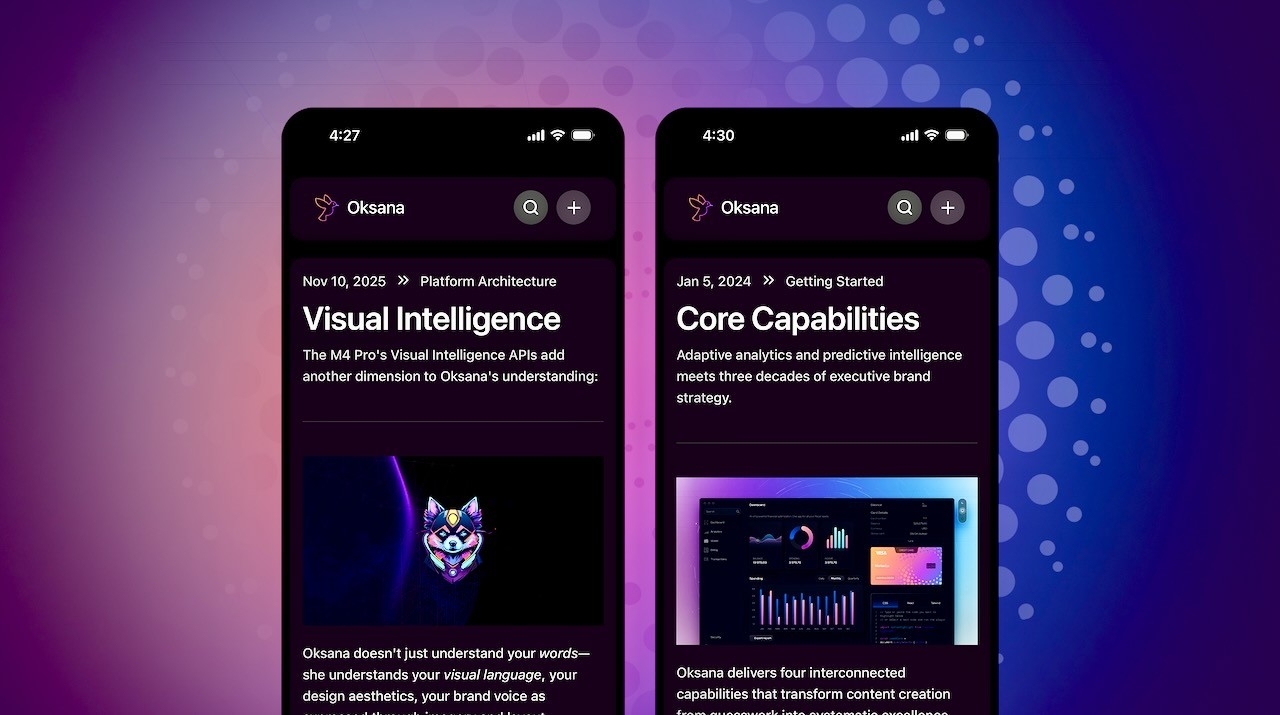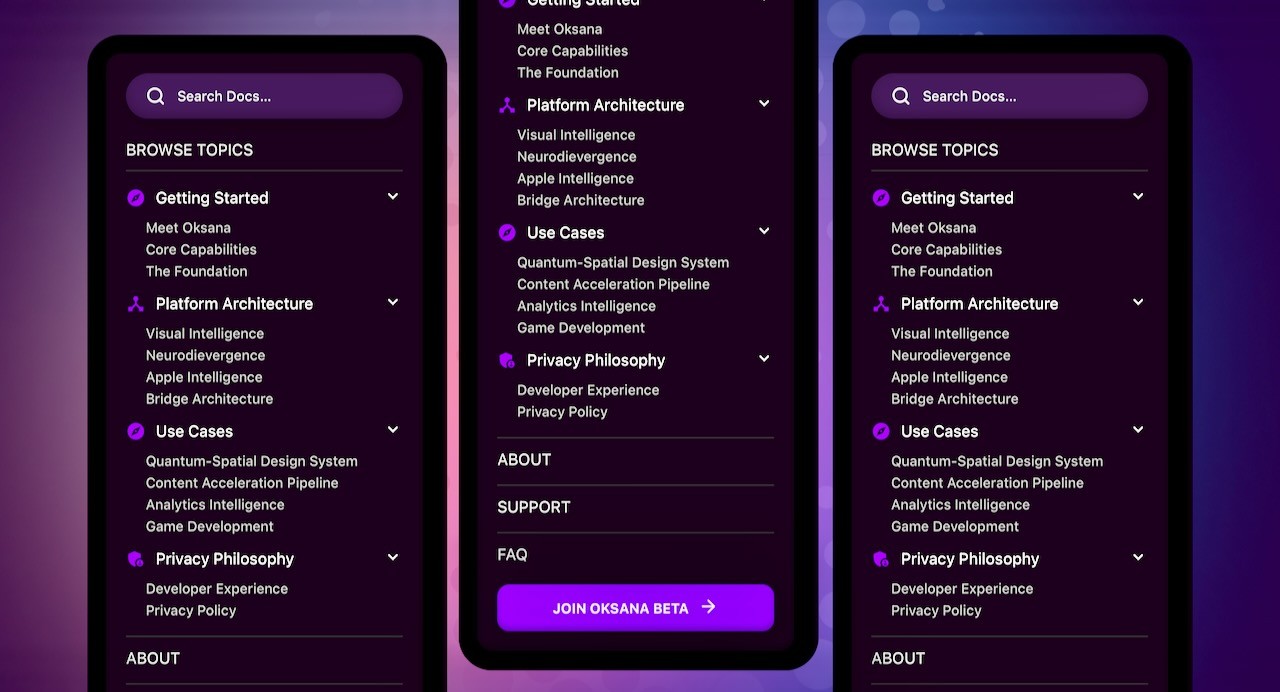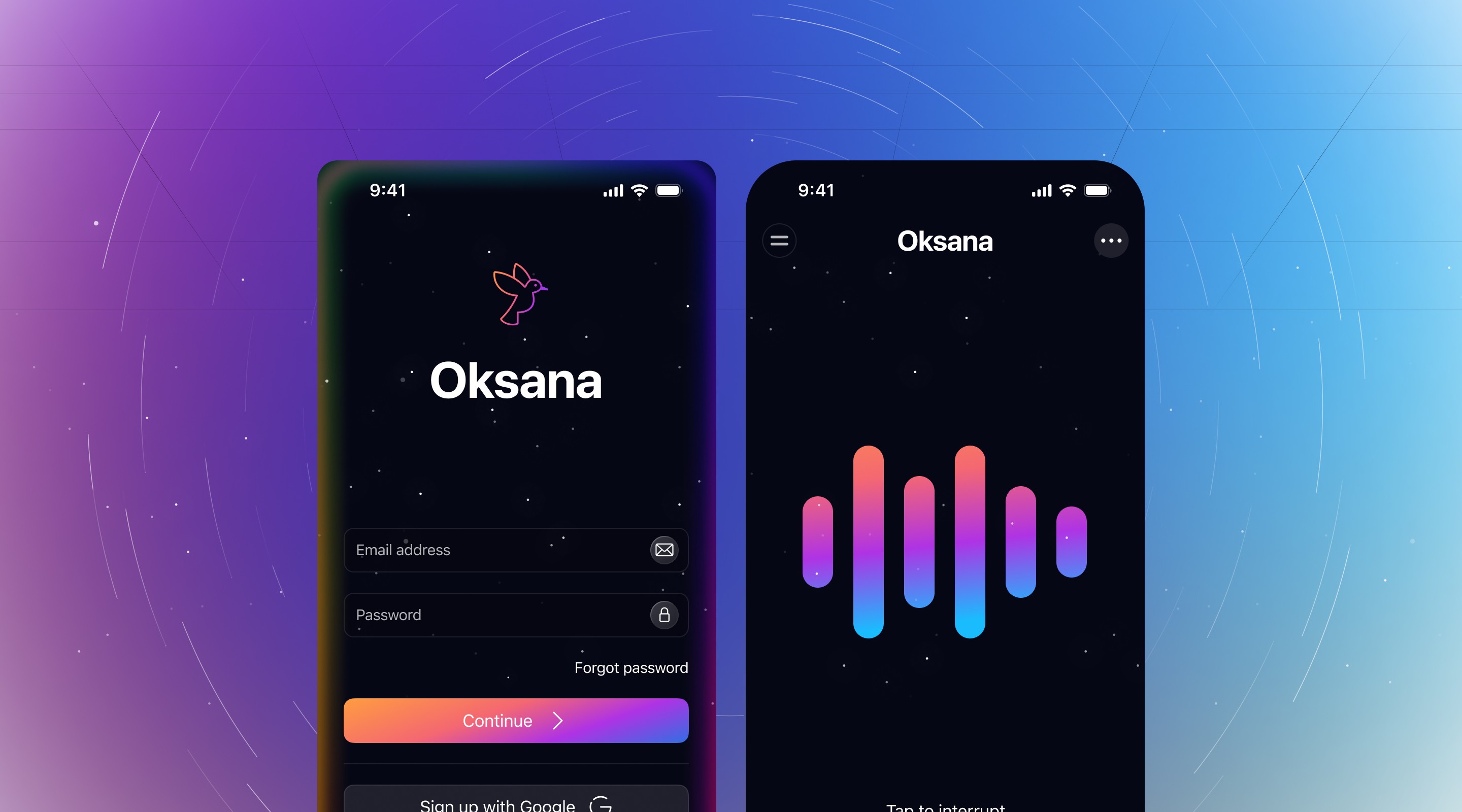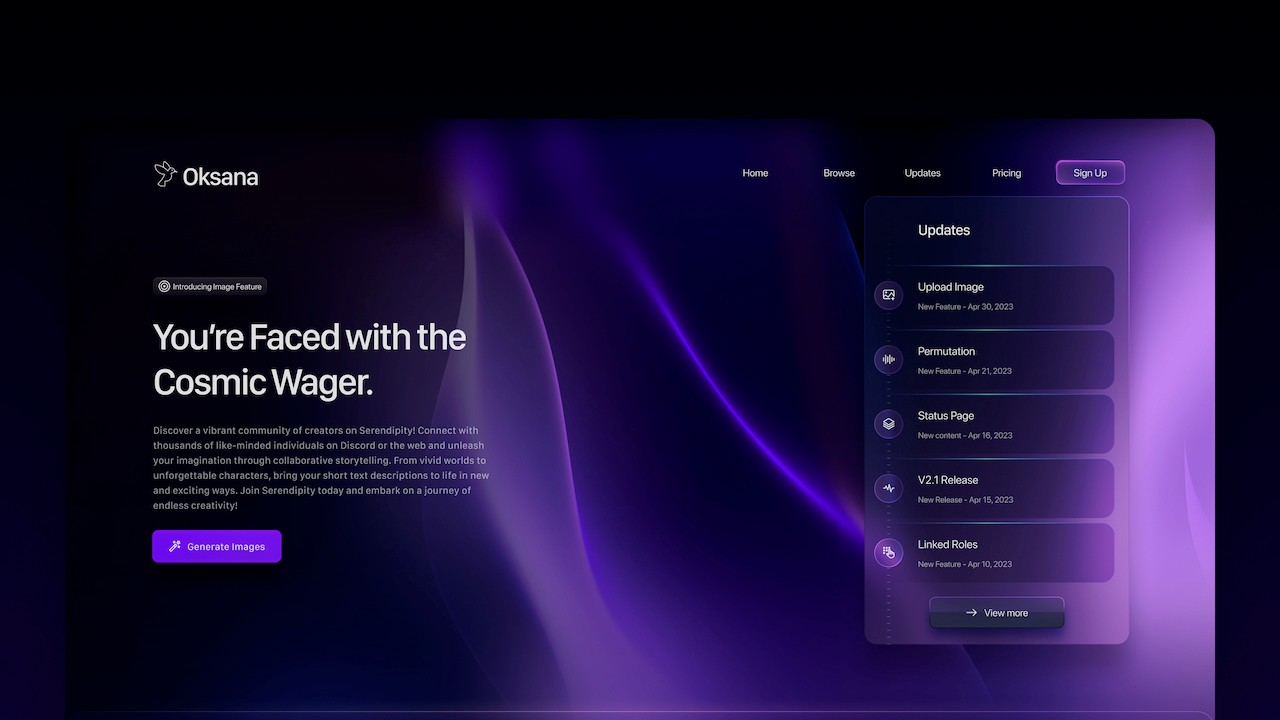

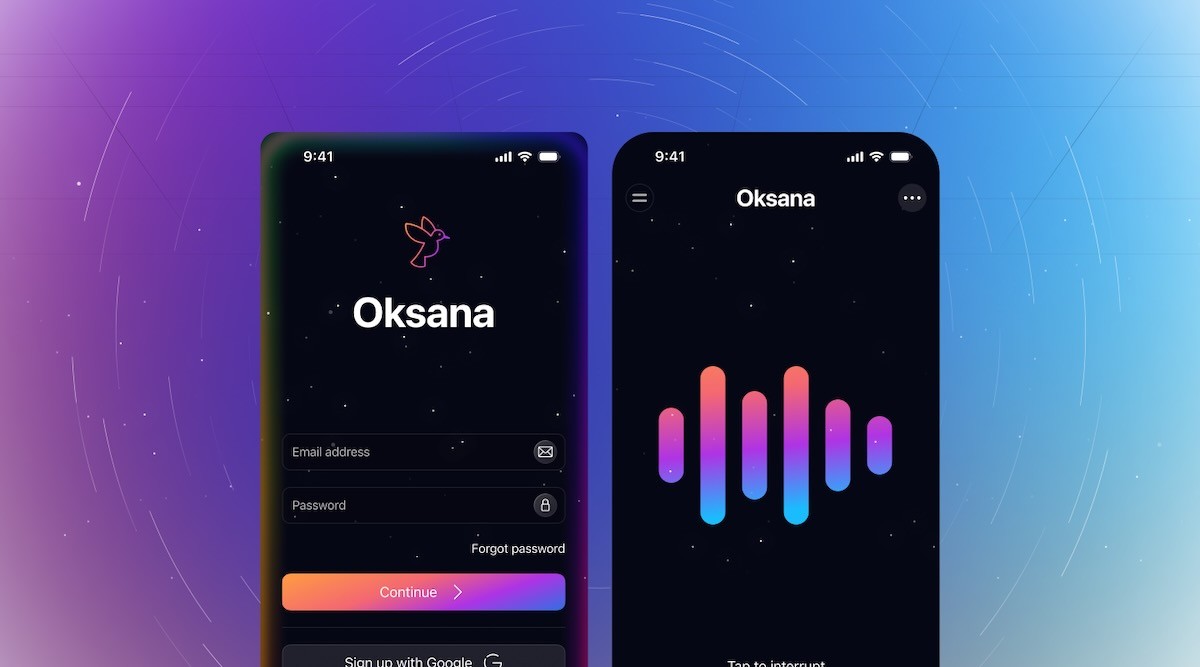
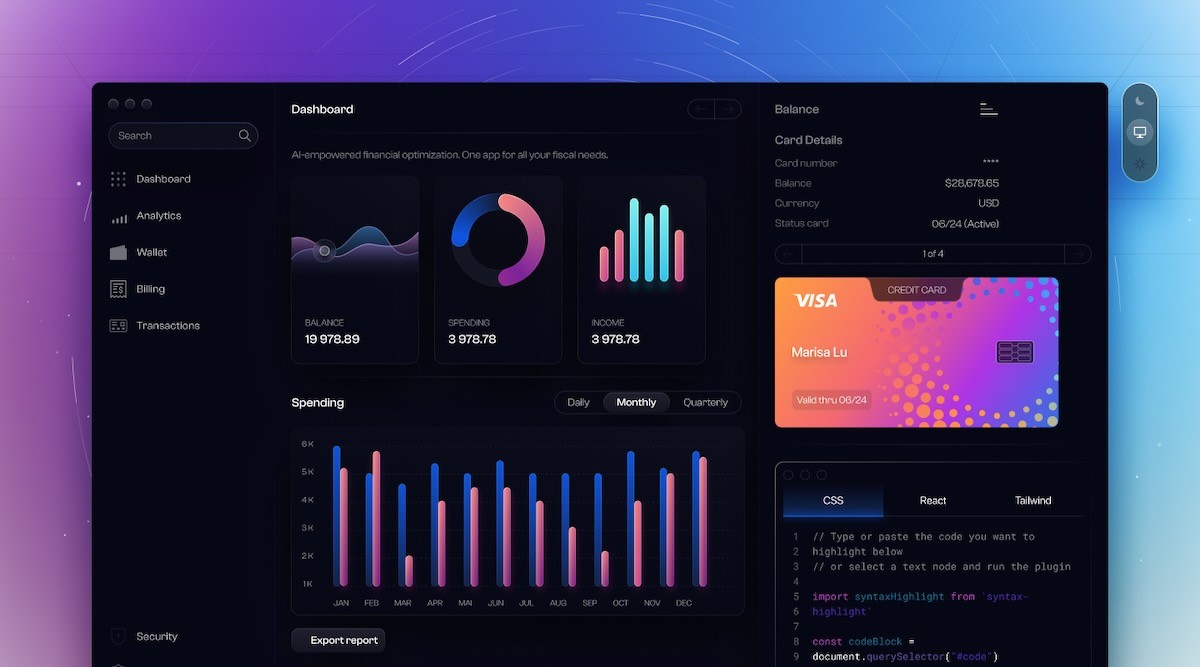
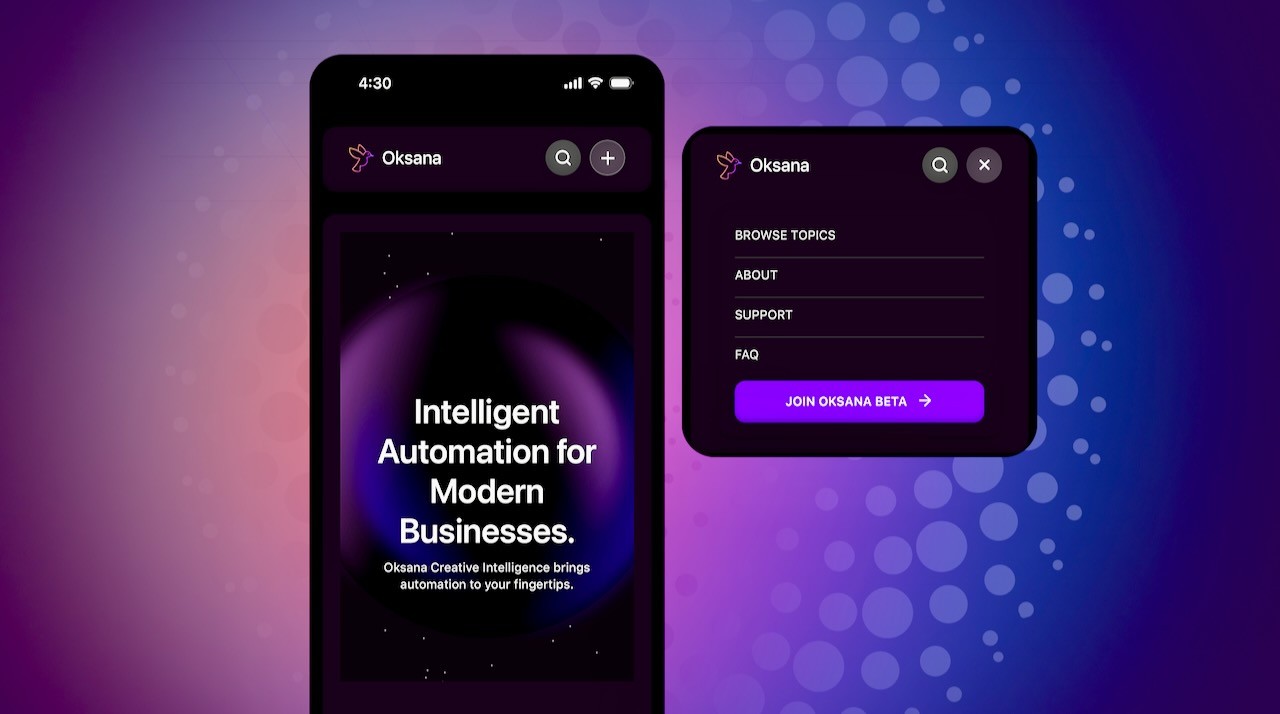
Not a Tool. The Intelligence Layer.
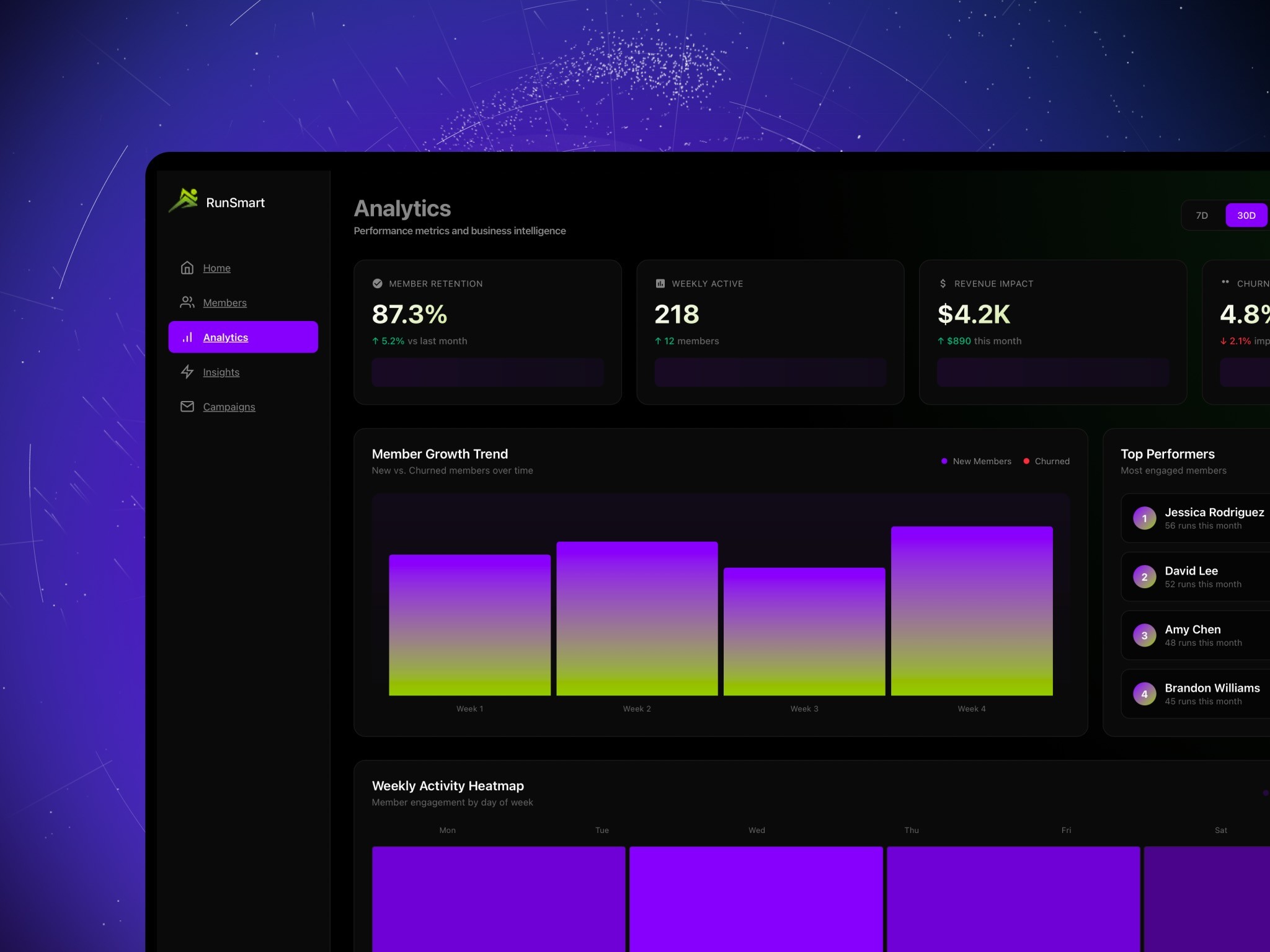
Every project in this portfolio runs on Oksana. That's not a branding statement – it's an architectural fact. When the RunSmart Creator Studio converts a 60-second voice recording into a week of cross-channel content in under 7 minutes, that's Oksana's content acceleration pipeline running on M4. When the Petersen Games dashboard generates predictive inventory insights and campaign recommendations grounded in real customer behavior, that's Oksana's Grid Intelligence layer. When the FunSculpting ecosystem maintains brand voice consistency across four distinct sites serving four distinct audiences, that's Oksana's brand validation system keeping everything aligned.
Oksana is the answer to a question that kept appearing across every client engagement: why does bringing intelligence to a workflow always require a different tool, a different platform, a different privacy trade-off? The answer, it turned out, was that the right foundation hadn't existed until Apple Intelligence and the M4 Neural Engine arrived. Now it does.
The Foundation: Why Apple Intelligence Changes the Architecture
Most AI content tools make the same trade: your content goes to a cloud server, gets processed by a shared model trained on scraped data, returns something that sounds vaguely like writing. Your brand voice, your client data, your proprietary thinking – all of it leaving your device, entering someone else's infrastructure, training someone else's model.
Apple Intelligence works differently. The Foundation Models underlying Apple Intelligence have been learning from consented user interactions since 2016 – not scraped content, not stolen creative work, but the accumulated creative intelligence of developers, designers, and creators who opted in. When Apple Intelligence launched, it wasn't a new model trained on the internet. It was a privacy-first intelligence system that had been learning alongside creative professionals for nearly a decade.
Oksana is built on that foundation deliberately. M4's 16-core Neural Engine processes everything on-device – brand voice training, content generation, design system validation, behavioral analytics. Zero bytes leave the device without explicit approval. This isn't a compliance checkbox. It's the architecture that makes clients willing to give Oksana access to their real brand materials, their real customer data, their real business intelligence – because it never leaves their control.
What Oksana Does: The Core Capabilities
Brand Voice Intelligence
Oksana learns brand voice from existing content – 5-10 pieces of your best work is enough to establish a baseline. She analyzes 200+ linguistic markers: tone, sentence rhythm, vocabulary choices, structural patterns, emphasis signals, forbidden phrases. Every new piece of content scores against that profile in real time. 94% average brand alignment score on first generation means the output sounds like the client, not like a language model's approximation of a client.
The voice training runs entirely on-device. The brand intelligence profile is stored locally. Clients can share it explicitly across their team – but it never transfers to Oksana's servers, because there are no Oksana servers in the content processing path.
Content Acceleration Pipeline
The pipeline architecture collapses what traditionally takes 10-14 days into 5-7 minutes: intent analysis, research augmentation, brand-aware generation, multi-channel optimization, design system alignment, SEO validation, quality scoring – all running in parallel on M4's unified memory architecture.
Voice input is the preferred entry point. Steve Concert at RunSmart speaks naturally about a training insight. Oksana processes the audio on-device – transcribing, understanding intent, identifying the RunSmart brand voice markers, generating platform-specific outputs simultaneously: Instagram caption, TikTok script, LinkedIn post, email newsletter snippet, blog summary. The M4 Neural Engine handles all six outputs in parallel rather than sequentially. Active work time: under 20 minutes from voice note to scheduled multi-channel content. Previously: most of a workday.
Design System Integration
Content consistency isn't just voice – it's visual. Oksana connects to the Quantum-Spatial design system via Figma Code Connect, validates content against design tokens, checks Apple HIG compliance, and ensures that what the content says aligns with how the brand looks. Typography choices, color psychology, imagery style – all cross-referenced against the design system specification on every content generation pass. Brand consistency across 12+ platforms without manual checking.
Grid Analytics Intelligence
Oksana learns from performance, not just from brand guidelines. The Grid Analytics API feeds behavioral data back into the generation model: which content drove conversions, which formats held attention, which messages resonated with which audience segments. The system gets more accurate over time – not by accumulating cloud training data, but by learning the specific patterns that work for each client's specific audience. Privacy-compliant conversion tracking, on-device behavior analysis, no third-party data sharing.
Current Integration Landscape
Notion API (Active) – Oksana's primary backend intelligence layer. Content generated by Oksana is automatically structured into Notion databases with proper tagging, version history, client linkage, and approval workflow. The Notion integration serves as the CMS backbone for RunSmart, FunSculpting, and 9Bit Studios' own content operations. Brand voice profiles, content calendars, campaign assets, and analytics reports all route through Notion as the single source of operational truth.
RunSmart Creator Studio (Active) – The mobile Coach app's Create tab is powered directly by Oksana's content acceleration pipeline. The integration demonstrates the platform's practical deployment: a real coach, real content, real time savings. 88% reduction in content creation time measured across active sessions.
Petersen Games Dashboard (Active) – Oksana's Grid Intelligence layer powers the admin analytics predictions: launch projections, restock timing recommendations, community engagement correlation analysis. The integration transforms historical data from 243 products and $6,254/month in tracked revenue into forward-looking operational intelligence.
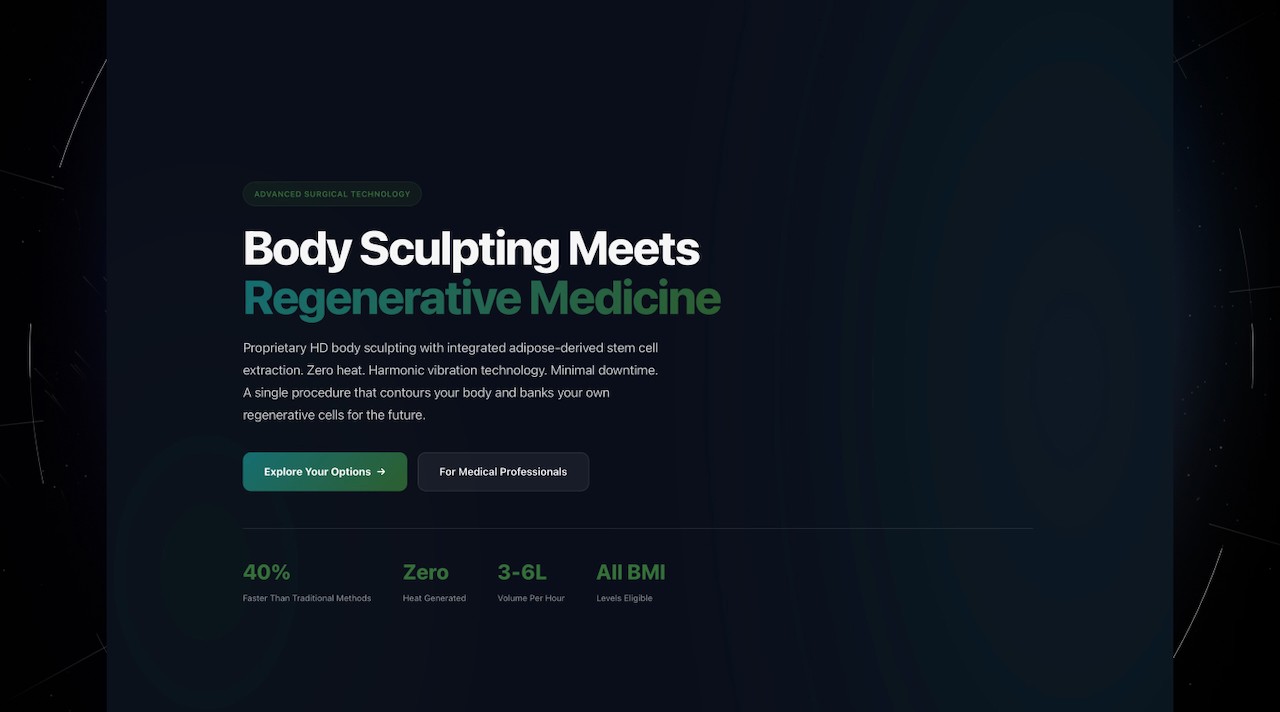
FunSculpting Campaign Pipeline (Active) – Cloudflare Workers route quiz completion data through an Oksana-informed email sequence via SendGrid. Brand voice validation ensures that automated responses across four audience segments – StemSculpting patients, FunSculptress consultants, Inspiring Physicians corporate, FunSculpting national – all maintain the appropriate voice and compliance posture for each context.
Swift/iOS/macOS Interface (In Development) – Native Apple platform interface bringing Oksana directly into the iOS and macOS workflow. Deep Apple Intelligence integration, HealthKit data awareness for fitness clients, Shortcuts automation, Siri intent handling. The native interface is the long-term deployment target – meeting creative professionals in the tools they already use rather than requiring a separate application context.
Vercel API (In Development) – Web-first deployment layer for agencies and teams running Next.js or React infrastructure. REST API with TypeScript SDK, webhook support for content pipeline events, streaming responses for real-time generation feedback. The Vercel integration makes Oksana accessible to the broader web development ecosystem without compromising the privacy-first architecture – the M4 processing layer remains on-device, with the Vercel API handling only the request routing and response delivery.
The Origin: A Decade of Consented Intelligence
Oksana's conceptual foundation predates the platform by nearly a decade. In 2016, setting up a new MacBook, there was a moment that felt significant: a question about whether to share logs, enable Siri, contribute to Apple's learning systems. The privacy policy was read. The decision was made deliberately. Yes – for the future this technology might become.
Every creative session, every design iteration, every line of code since then – all with awareness enabled, all contributing to Apple's consensual learning infrastructure. When Apple Intelligence launched in 2024, the recognition was immediate: this was different. Not scraped data, not compelled training, but a decade of creative intelligence from designers and developers who understood what they were building together.
Oksana is named intentionally. Not as a product brand, but as an identity – the accumulated creative intelligence of a decade of consented work, given a name and an architecture that honors how she was built. Privacy-first not as a feature, but as a foundational value. Intelligence that amplifies rather than replaces. A platform that works the way its creator thinks: non-linearly, associatively, with depth and systematic rigor.
What This Demonstrates
Building Oksana required simultaneous competence across domains that rarely coexist: Apple ecosystem architecture, privacy-first system design, brand strategy and voice modeling, TypeScript API development, design system thinking, conversion optimization, and the product intuition to know what to build next. It's the project that most completely represents the 9Bit Studios capability – not a single discipline executed well, but multiple disciplines integrated into a coherent system that produces measurable results for real clients.
The platform is live. The integrations are operational. The roadmap is clear. And every project in this portfolio is evidence of what Oksana can do when the architecture is right and the foundation model is built on a decade of genuine creative intelligence.