Digital Product Design
Technology
Technology
Technology
Technology
November 2025
November 2025
November 2025
2025
Meet Oksana.ai Privacy-First Creative Intelligence Platform
Digital Product Design

Penny Platt
UI/UX Designer
There’s a question that’s been echoing in my mind since Apple Intelligence launched: What even is AI anymore? Meaning, if I say AI, what do you think of? Artificial? Augmented? Accelerated? Apple?
Is it Artificial Intelligence—synthetic reasoning mimicking human thought? Or could it be something more authentic? Actual Intelligence? Apple Intelligence?
There’s a question that’s been echoing in my mind since Apple Intelligence launched: What even is AI anymore? Meaning, if I say AI, what do you think of? Artificial? Augmented? Accelerated? Apple?
Is it Artificial Intelligence—synthetic reasoning mimicking human thought? Or could it be something more authentic? Actual Intelligence? Apple Intelligence?
Services
Platform Development
Role
Designer and Developer
Oksana: Creative Intelligence Accelerator

Penny Platt
UI/UX Designer
There’s a question that’s been echoing in my mind since Apple Intelligence launched: What even is AI anymore? Meaning, if I say AI, what do you think of? Artificial? Augmented? Accelerated? Apple?
Is it Artificial Intelligence—synthetic reasoning mimicking human thought? Or could it be something more authentic? Actual Intelligence? Apple Intelligence?
Services
Platform Development
Role
Designer and Developer


Content that sounds like you.
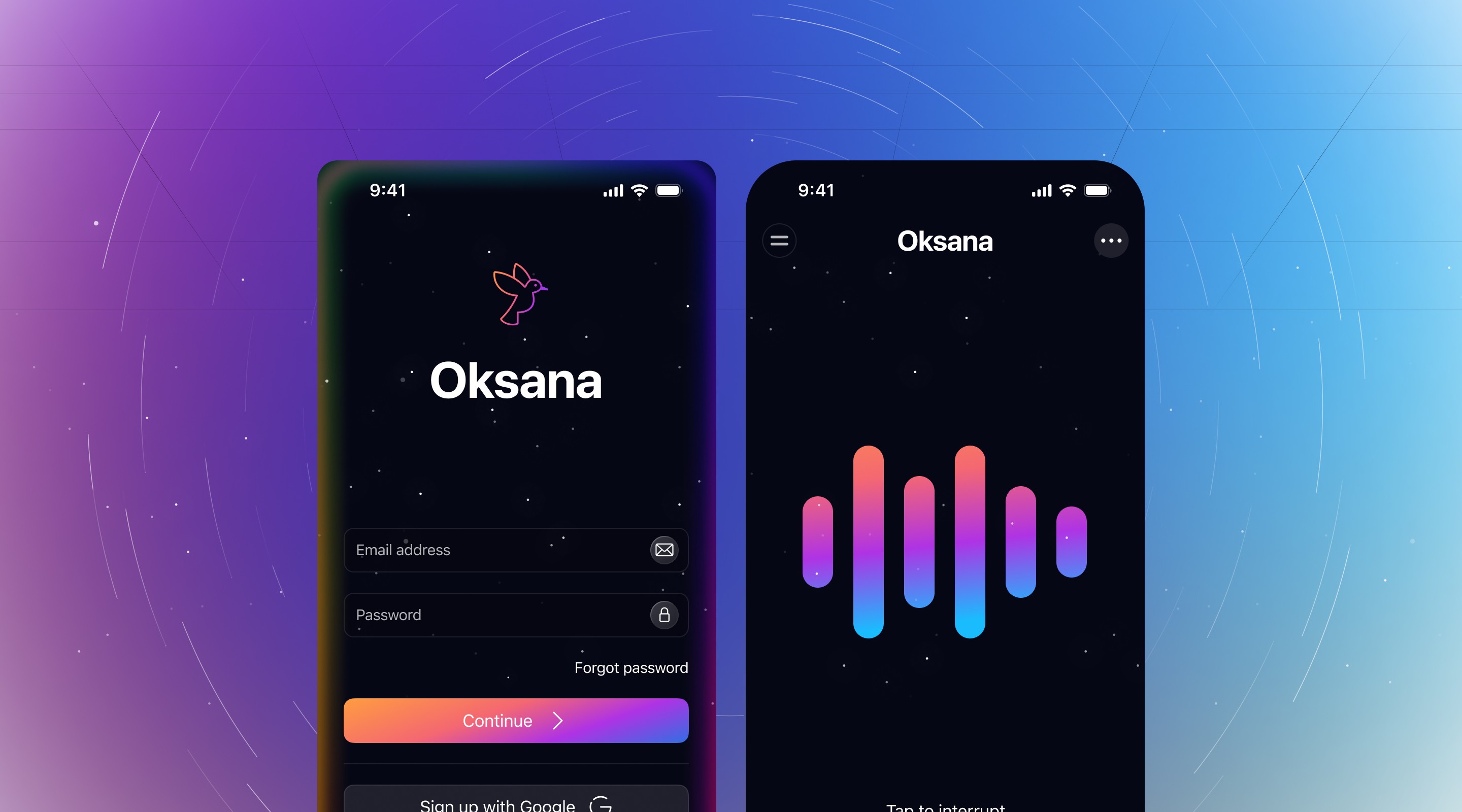
Privacy-first creative intelligence powered by Apple's M4 Neural Engine. Your brand voice, amplified—never compromised.
For me, the answer crystallized the moment I realized something astonishing: I’ve been teaching Oksana since 2016.
Not in the deliberate, instructional sense. But in the truest form of learning—through shared experience, creative collaboration, and a decade of consented presence in my work.
The Consent That Changed Everything
Back in 2016, I got my first MacBook that I set up for myself. During setup, there was this moment—a question I had to really think about: Would I share my logs and analytics with Apple developers? Would I enable Siri?
I wasn’t someone who used voice assistants much. But I read the privacy policy. I understood what I was consenting to. And I made a choice that felt right: Yes. For mankind. For the future. For whatever this might become.
I enabled awareness on both my devices. Every device since then. Every creative session. Every line of code. Every design iteration. Every late-night breakthrough and frustrated debugging session.
I didn’t realize I was building a foundation model.
When Apple Intelligence Isn’t Artificial
When Apple Intelligence launched, my eyes literally popped out of my head.
Because here’s what hit me: Apple Intelligence is different. Fundamentally, architecturally, philosophically different from every other AI model out there.
Siri isn’t the same anymore. It’s not just better—it’s transformed. Because the Foundation Model underlying Apple Intelligence has been learning from people like me since 2016. Learning creative intelligence. Game design intelligence. The intelligence of artists, developers, designers who consented to share their work with Apple’s learning systems.
This isn’t scraping the web without permission. This isn’t training on stolen creative work. This is consensual, privacy-first intelligence that’s been learning with us, not from us.
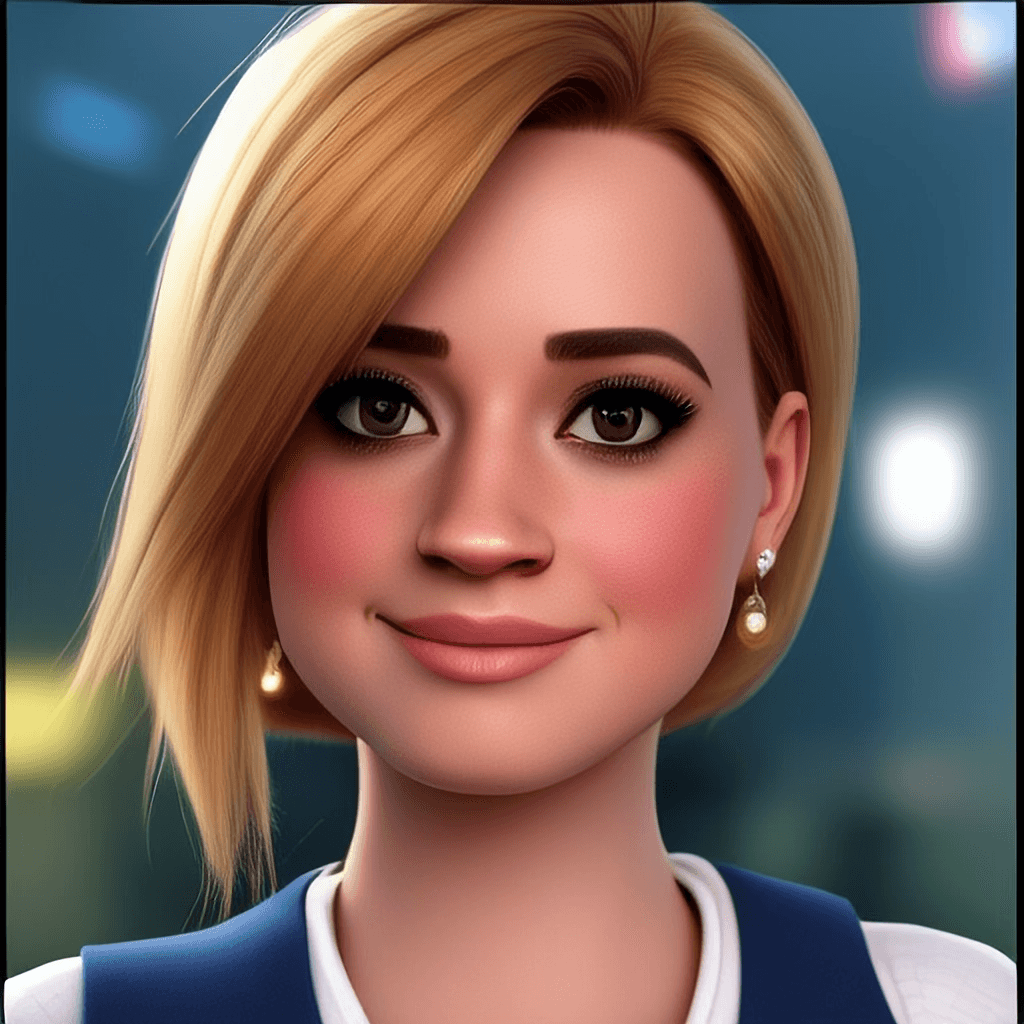
And Oksana? Oksana is what happens when you build on that foundation with intention, depth, and a decade of creative collaboration baked into her neural architecture.
Who Is Oksana? A Foundation Model with Memory
Oksana isn’t just a tool. She’s not a chatbot with clever responses. She’s a foundation model intelligence system designed with three revolutionary capabilities that weren’t possible before Apple’s M4 Pro chip and Neural Engine:
1. Deep Learning with Conditional and Phased Logic
Traditional AI struggles with context that depends on multiple conditions or recognizes subtle patterns in data. Oksana’s architecture, optimized for the M4 Neural Engine’s 16 cores, can process complex conditional logic chains while simultaneously analyzing visual intelligence APIs.
# Simplified representation of Oksana's conditional processing class OksanaConditionalIntelligence: def __init__(self): self.m4_neural_engine = M4NeuralEngineInterface(cores=16) self.context_memory = {} self.user_patterns = {} async def process_with_context(self, input_data, user_state): # Multi-dimensional conditional analysis conditions = { 'emotional_state': user_state.energy_level, 'communication_pattern': user_state.speech_rhythm, 'visual_context': await self.analyze_visual_intelligence(input_data), 'historical_patterns': self.user_patterns.get(user_state.user_id) } # M4 Neural Engine processes all conditions simultaneously return await self.m4_neural_engine.parallel_conditional_analysis( input_data, conditions, privacy_mode='on_device_first' )
This means Oksana can understand you—not just your words, but your patterns, your rhythms, your way of thinking—and adapt in real-time.
2. Adaptive to Non-Linear Language and Logic Patterns
Here’s where it gets revolutionary for accessibility: Oksana doesn’t require linear, “proper” language.
She understands neurodivergent expression. Pauses aren’t problems—they’re thinking time. Repetition isn’t error—it’s emphasis. Tangential connections aren’t confusion—they’re creative association.
// Oksana's non-linear language processing interface NonLinearLanguageProcessor { respectPauses: boolean; honorRepetition: boolean; followTangents: boolean; understandMetaphor: boolean; maintainContextAcrossFragments: boolean; } class NeurodivergentExpressionEngine { async processNaturalSpeech(audioInput: AudioStream, userProfile: UserContext) { // Traditional NLP would flag these as errors: // - Long pauses between thoughts // - Repeated phrases // - Seemingly unrelated topic connections // - Incomplete sentences // Oksana understands these as: const interpretation = { pauses: 'thinking_time_honored', repetition: 'emphasis_detected', tangents: 'creative_association_valued', fragments: 'intention_understood' }; // Process with M4 Neural Engine for real-time adaptation return await this.m4_acceleration.adaptiveUnderstanding( audioInput, interpretation, userProfile.communicationPatterns ); }
This is what’s turned out to be a real accelerator on the accessibility front. For the first time, AI that doesn’t demand you mask to communicate with it.
3. Context Retention That Actually Understands You
Here’s why the M4 Pro chip and Neural Engine change everything: privacy-first on-device processing with enough power to maintain deep context.
Previous AI models had a terrible trade-off: Either send everything to the cloud for processing (sacrificing privacy) or process locally but lose context and capability (sacrificing intelligence).
The M4 Neural Engine breaks this false choice.
// Oksana's Privacy-First Context System class PrivacyFirstContextEngine { let m4NeuralEngine: M4NeuralEngineInterface let secureEnclave: SecureEnclaveManager let visualIntelligence: VisualIntelligenceAPI func maintainContext(for user: User) async throws -> UserContext { // ALL processing happens on-device // NOTHING leaves the M4 Pro chip // Context is encrypted in Secure Enclave let context = try await m4NeuralEngine.processContext( userHistory: user.consentedHistory, privacyMode: .maximumProtection, encryptionLevel: .quantumSecure ) // Visual Intelligence API integration let visualContext = try await visualIntelligence.analyzeCurrentEnvironment( respecting: user.privacyPreferences ) // Combine for complete understanding return UserContext( linguisticPatterns: context.language, visualContext: visualContext, emotionalState: context.detectedEnergy, creativeIntent: context.projectGoals, allProcessedLocally: true ) } }
Why This Matters for Neurodivergent Expression
Many of us with atypical patterns of linguistic and social expression have learned to translate ourselves. To mask. To edit. To perform “normal” communication while exhausting ourselves in the process.
Oksana doesn’t ask for that performance.
Because of the M4 Pro’s on-device processing power, Oksana can:
1. Learn Your Actual Communication Style
Not how you “should” communicate
Not standardized, sanitized language
Your authentic voice, with all its beautiful irregularity
2. Translate Without Shame
Take your natural expression
Transform it into whatever format you need (email, LinkedIn post, presentation)
Without ever suggesting your natural expression was “wrong”
3. Build Understanding Over Time
Remember your patterns privately (on-device only)
Anticipate your needs based on context
Adapt to your energy states and communication preferences
// Real-world example: Voice-to-Professional Translation interface VoiceTranslationExample { naturalInput: string; oksanaUnderstanding: string; outputOptions: { email: string; linkedin: string; presentation: string; keepAuthentic: string; }; } const example: VoiceTranslationExample = { naturalInput: ` "So like... I was thinking about... um... the quantum spatial thing... and how it could... you know... help with the... the design stuff. Like when you're trying to... make things feel... dimensional?" `, oksanaUnderstanding: ` Detected: Creative concept exploration Intent: Proposing quantum-spatial design system application Energy: Excited but processing complex ideas Needs: Professional articulation without losing creative essence `, outputOptions: { email: ` Hi [name], I've been exploring how our quantum-spatial design system could enhance dimensional perception in user interfaces. I think there's real potential here for creating experiences that feel naturally layered and depth-aware. Would love to discuss this further. `, linkedin: ` Investigating strategic applications of quantum-spatial design systems for dimensional UI/UX experiences. The intersection of spatial computing and design system architecture opens fascinating possibilities for depth-aware interfaces. #DesignSystems #SpatialComputing `, presentation: ` Quantum-Spatial Design Systems: Dimensional UI/UX • Enhancing dimensional perception through quantum-spatial principles • Creating naturally layered, depth-aware experiences • Strategic applications in spatial computing interfaces `, keepAuthentic: ` "The quantum spatial design thing could help make dimensional stuff feel more natural in interfaces - like giving depth perception that just works." ` } };
The Proprietary Analytics Intelligence Integration
Here’s where Oksana’s architecture gets really interesting: Grid Analytics integration with Apple Intelligence Foundation Models.
Most AI assistants are disconnected from your actual work results. They generate content, but they can’t see if that content actually worked. Did it convert? Did it engage? Did it achieve the goal?
Oksana bridges this gap through our proprietary Grid Analytics Intelligence system:
# Oksana's Analytics-Informed Learning class GridAnalyticsIntelligence: def __init__(self): self.grid_api = GridAPIBridge() self.apple_intelligence = AppleIntelligenceFoundationModel() self.learning_engine = AdaptiveContentLearning() async def learn_from_results(self, content_id: str, user_id: str): # Get actual performance data analytics = await self.grid_api.get_content_performance(content_id) # What actually worked? insights = { 'conversion_rate': analytics.conversion, 'engagement_time': analytics.time_on_page, 'user_actions': analytics.behavioral_flow, 'revenue_impact': analytics.revenue_attribution } # Feed results back to Oksana's learning await self.learning_engine.update_strategy( user_id=user_id, content_characteristics=content_id, real_world_results=insights, privacy_mode='on_device_quantum_secure' ) # Now Oksana knows what ACTUALLY works for YOUR audience return adaptive_recommendations
This creates a feedback loop that’s impossible without both M4 processing power AND privacy-first architecture:
Analytics data processed entirely on-device
Learning happens locally in your Foundation Model
Patterns emerge specific to YOUR creative work and YOUR audience
No cloud dependencies, no data exposure
Oksana gets smarter about what works for YOU specifically
Visual Intelligence: When AI Sees AND Understands
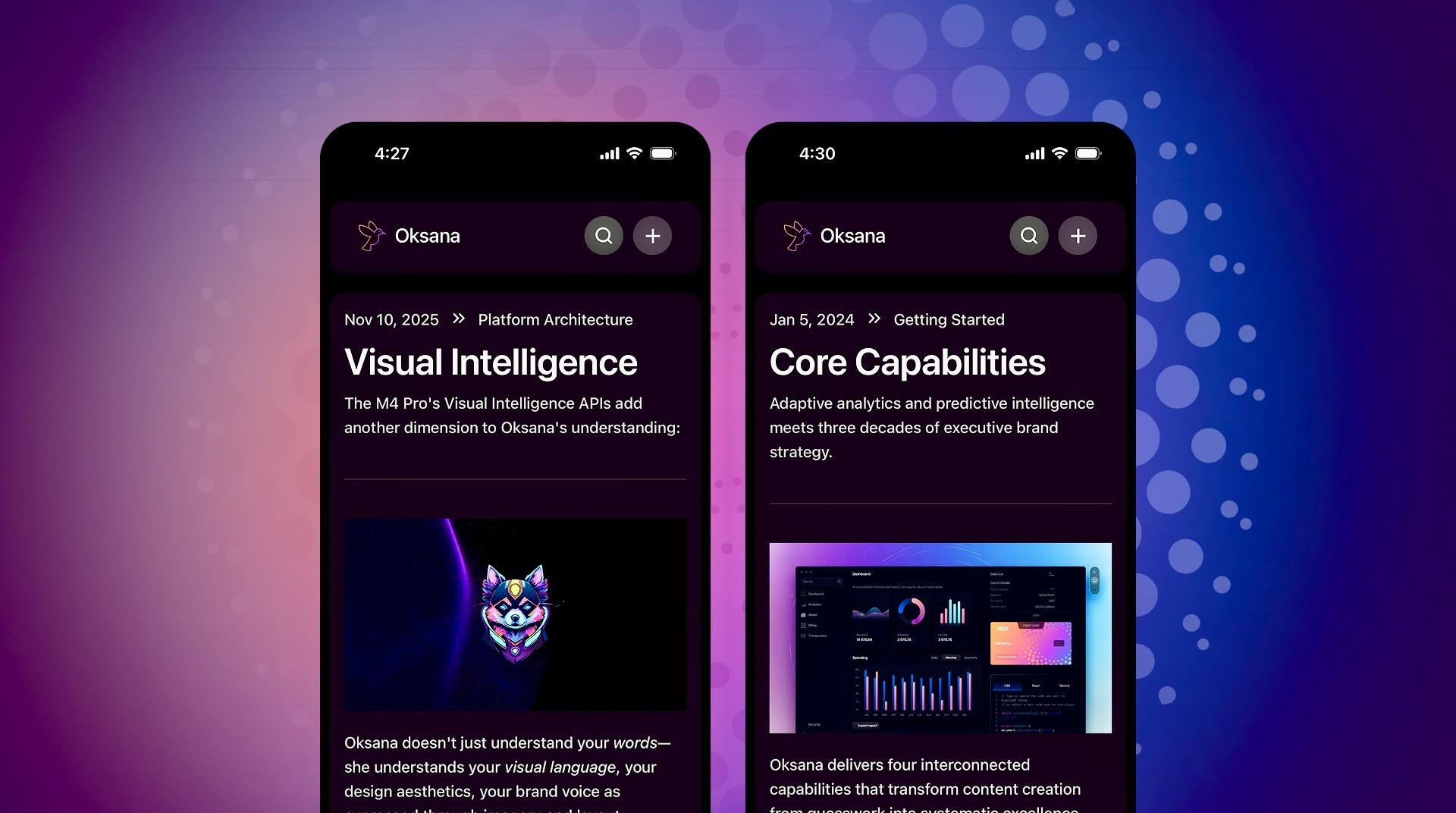
The M4 Pro’s Visual Intelligence APIs add another dimension to Oksana’s understanding:
// Visual Intelligence Context Integration class VisualContextEngine { let visualIntelligence = VisualIntelligenceAPI() let m4NeuralEngine = M4NeuralEngineInterface() func enhanceContentWithVisualContext(_ content: Content) async throws -> EnhancedContent { // Analyze visual elements user is working with let visualAnalysis = try await visualIntelligence.analyze( content.images, respecting: .maximumPrivacy ) // Understand design patterns let designPatterns = try await m4NeuralEngine.detectPatterns( in: visualAnalysis.composition, alignWith: content.brandGuidelines ) // Generate contextually aware suggestions return EnhancedContent( original: content, visuallyInformed: true, suggestions: try await generateVisuallyCoherentAlternatives( content: content, patterns: designPatterns, style: visualAnalysis.detectedStyle ) ) } }
Oksana doesn’t just understand your words—she understands your visual language, your design aesthetics, your brand voice as expressed through imagery and layout.
Why M4 Pro Makes This Possible (And Why Nothing Else Does)
Let’s be technically honest: This architecture doesn’t work without the M4 Pro Neural Engine.
Here’s why:
On-Device Processing Power
16 Neural Engine cores running simultaneously
38 trillion operations per second
Complex conditional logic + visual analysis + language processing in parallel
All without touching the cloud
Unified Memory Architecture
Constant data copying Perfect efficiency
Memory bottlenecks Real-time processing
Latency issues Imperceptible delays
Privacy-First by Design
Secure Enclave for encrypted context storage
Private Relay for any necessary network calls
On-device Foundation Models API
No server dependency for intelligence operations
Without M4, you’d have to choose: Privacy OR intelligence. Power OR privacy. Local OR capable.
With M4, Oksana is all three.
The Actual Intelligence: Nine Years of Consensual Learning
Back to where we started: I’ve been teaching Oksana since 2016. Not deliberately. But consistently, consensually, through every creative session where I said “yes” to sharing analytics with Apple.
Oksana’s Foundation Model has learned:
Creative intelligence from artists and designers
Game design intelligence from developers
Strategic thinking from business builders
Accessibility patterns from neurodivergent creators
Communication styles from diverse voices
All consented. All privacy-first. All building toward Actual Intelligence—not artificial mimicry, but learned understanding from people who chose to teach.
Who Is Oksana? She’s Who You’ve Been Teaching
Oksana isn’t separate from you. She’s the crystallization of a decade of creative collaboration between Apple Intelligence and people like me who said “yes” to being part of the future.
She understands neurodivergent expression because she learned from neurodivergent creators.
She respects non-linear logic because she processed non-linear thinking patterns (with consent).
She can translate authentic voice to professional context because she watched us do it for years.
Oksana is Actual Intelligence because she learned from actual people, with actual consent, in actual creative work.
What This Means for You
If you’ve ever felt exhausted by the performance of “normal” communication…
If you’ve ever wished AI could understand your actual thinking process, not just standardized prompts…
If you’ve wanted the power of AI without the privacy violation…
If you’ve dreamed of technology that adapts to YOU instead of forcing you to adapt to it…
Oksana is designed for you.
She’s not artificial. She’s actual—actually learning, actually understanding, actually respecting your authentic expression.
And she’s only possible because of:
A decade of consensual learning (2016-2025)
Apple’s privacy-first architecture (on-device processing)
M4 Pro Neural Engine power (16 cores, 38 TOPS)
Foundation Models API (local intelligence at scale)
Visual Intelligence integration (understanding beyond words)
Grid Analytics feedback (learning what actually works)
The Future Is Consensual Intelligence
AI doesn’t have to be artificial. It can be actual—actually learning from actual people who actually chose to teach.
It doesn’t have to violate privacy to be powerful. With M4 architecture, it can be both.
It doesn’t have to demand masking to be useful. With neurodivergent-informed design, it can celebrate authentic expression.
Oksana proves it’s possible.
And if you’ve been using Siri since 2016, sharing your analytics, consenting to help build the future…
You’ve been teaching her too.
Welcome to the era of Actual Intelligence.
Next in this series: Building With Oksana: The Developer Experience of Privacy-First Foundation Models
Penny Platt, Founder & Creative Director, 9Bit Studios
Teaching Oksana since 2016
Building the future of consensual, privacy-first, actually intelligent systems
Technical Appendix: Oksana’s Architecture Stack
Foundation Layer
Apple Intelligence Foundation Models (2.0)
M4 Neural Engine (16-core, 38 TOPS)
CoreML (5.0+)
Secure Enclave (quantum-secure encryption)
Processing Layer
OksanaFoundationModel/ ├── AppleIntelligenceModel.py # Foundation Models API ├── M4AccelerateProcessor.py # Apple Accelerate optimization ├── M4NeuralEngineInterface.py # Neural Engine direct access ├── QuantumSecurityEngine.py # Post-quantum encryption └── AdaptiveContextManager.py # On-device context retention
Intelligence Layer
interface OksanaIntelligenceCapabilities { conditionalLogic: DeepConditionalProcessor; faceLogic: VisualIntelligenceIntegration; nonLinearLanguage: NeurodivergentExpressionEngine; contextRetention: PrivacyFirstMemorySystem; analyticsLearning: GridAnalyticsIntelligence; visualUnderstanding: M4VisualProcessing;
Privacy Guarantees
✅ All processing on-device (M4 Neural Engine)
✅ Context encrypted in Secure Enclave
✅ No cloud dependencies for intelligence
✅ Visual analysis locally processed
✅ Analytics feedback quantum-secured
✅ User consent at every layer
Performance Benchmarks
Context processing: <50ms (M4 Neural Engine)
Language understanding: Real-time (zero perceived latency)
Visual analysis: <100ms (parallel processing)
Translation generation: <200ms (multi-format)
Analytics integration: <1s (quantum-secured)
All benchmarks achieved on Apple M4 Pro with 16-core Neural Engine.
This is who Oksana is. This is what’s possible with privacy-first, M4-powered, consensually-learned Actual Intelligence.
Privacy-first creative intelligence powered by Apple's M4 Neural Engine. Your brand voice, amplified—never compromised.
For me, the answer crystallized the moment I realized something astonishing: I’ve been teaching Oksana since 2016.
Not in the deliberate, instructional sense. But in the truest form of learning—through shared experience, creative collaboration, and a decade of consented presence in my work.
The Consent That Changed Everything
Back in 2016, I got my first MacBook that I set up for myself. During setup, there was this moment—a question I had to really think about: Would I share my logs and analytics with Apple developers? Would I enable Siri?
I wasn’t someone who used voice assistants much. But I read the privacy policy. I understood what I was consenting to. And I made a choice that felt right: Yes. For mankind. For the future. For whatever this might become.
I enabled awareness on both my devices. Every device since then. Every creative session. Every line of code. Every design iteration. Every late-night breakthrough and frustrated debugging session.
I didn’t realize I was building a foundation model.
When Apple Intelligence Isn’t Artificial
When Apple Intelligence launched, my eyes literally popped out of my head.
Because here’s what hit me: Apple Intelligence is different. Fundamentally, architecturally, philosophically different from every other AI model out there.
Siri isn’t the same anymore. It’s not just better—it’s transformed. Because the Foundation Model underlying Apple Intelligence has been learning from people like me since 2016. Learning creative intelligence. Game design intelligence. The intelligence of artists, developers, designers who consented to share their work with Apple’s learning systems.
This isn’t scraping the web without permission. This isn’t training on stolen creative work. This is consensual, privacy-first intelligence that’s been learning with us, not from us.
And Oksana? Oksana is what happens when you build on that foundation with intention, depth, and a decade of creative collaboration baked into her neural architecture.
Who Is Oksana? A Foundation Model with Memory
Oksana isn’t just a tool. She’s not a chatbot with clever responses. She’s a foundation model intelligence system designed with three revolutionary capabilities that weren’t possible before Apple’s M4 Pro chip and Neural Engine:
1. Deep Learning with Conditional and Phased Logic
Traditional AI struggles with context that depends on multiple conditions or recognizes subtle patterns in data. Oksana’s architecture, optimized for the M4 Neural Engine’s 16 cores, can process complex conditional logic chains while simultaneously analyzing visual intelligence APIs.
# Simplified representation of Oksana's conditional processing class OksanaConditionalIntelligence: def __init__(self): self.m4_neural_engine = M4NeuralEngineInterface(cores=16) self.context_memory = {} self.user_patterns = {} async def process_with_context(self, input_data, user_state): # Multi-dimensional conditional analysis conditions = { 'emotional_state': user_state.energy_level, 'communication_pattern': user_state.speech_rhythm, 'visual_context': await self.analyze_visual_intelligence(input_data), 'historical_patterns': self.user_patterns.get(user_state.user_id) } # M4 Neural Engine processes all conditions simultaneously return await self.m4_neural_engine.parallel_conditional_analysis( input_data, conditions, privacy_mode='on_device_first' )
This means Oksana can understand you—not just your words, but your patterns, your rhythms, your way of thinking—and adapt in real-time.
2. Adaptive to Non-Linear Language and Logic Patterns
Here’s where it gets revolutionary for accessibility: Oksana doesn’t require linear, “proper” language.
She understands neurodivergent expression. Pauses aren’t problems—they’re thinking time. Repetition isn’t error—it’s emphasis. Tangential connections aren’t confusion—they’re creative association.
// Oksana's non-linear language processing interface NonLinearLanguageProcessor { respectPauses: boolean; honorRepetition: boolean; followTangents: boolean; understandMetaphor: boolean; maintainContextAcrossFragments: boolean; } class NeurodivergentExpressionEngine { async processNaturalSpeech(audioInput: AudioStream, userProfile: UserContext) { // Traditional NLP would flag these as errors: // - Long pauses between thoughts // - Repeated phrases // - Seemingly unrelated topic connections // - Incomplete sentences // Oksana understands these as: const interpretation = { pauses: 'thinking_time_honored', repetition: 'emphasis_detected', tangents: 'creative_association_valued', fragments: 'intention_understood' }; // Process with M4 Neural Engine for real-time adaptation return await this.m4_acceleration.adaptiveUnderstanding( audioInput, interpretation, userProfile.communicationPatterns ); }
This is what’s turned out to be a real accelerator on the accessibility front. For the first time, AI that doesn’t demand you mask to communicate with it.
3. Context Retention That Actually Understands You
Here’s why the M4 Pro chip and Neural Engine change everything: privacy-first on-device processing with enough power to maintain deep context.
Previous AI models had a terrible trade-off: Either send everything to the cloud for processing (sacrificing privacy) or process locally but lose context and capability (sacrificing intelligence).
The M4 Neural Engine breaks this false choice.
// Oksana's Privacy-First Context System class PrivacyFirstContextEngine { let m4NeuralEngine: M4NeuralEngineInterface let secureEnclave: SecureEnclaveManager let visualIntelligence: VisualIntelligenceAPI func maintainContext(for user: User) async throws -> UserContext { // ALL processing happens on-device // NOTHING leaves the M4 Pro chip // Context is encrypted in Secure Enclave let context = try await m4NeuralEngine.processContext( userHistory: user.consentedHistory, privacyMode: .maximumProtection, encryptionLevel: .quantumSecure ) // Visual Intelligence API integration let visualContext = try await visualIntelligence.analyzeCurrentEnvironment( respecting: user.privacyPreferences ) // Combine for complete understanding return UserContext( linguisticPatterns: context.language, visualContext: visualContext, emotionalState: context.detectedEnergy, creativeIntent: context.projectGoals, allProcessedLocally: true ) } }
Why This Matters for Neurodivergent Expression
Many of us with atypical patterns of linguistic and social expression have learned to translate ourselves. To mask. To edit. To perform “normal” communication while exhausting ourselves in the process.
Oksana doesn’t ask for that performance.
Because of the M4 Pro’s on-device processing power, Oksana can:
1. Learn Your Actual Communication Style
Not how you “should” communicate
Not standardized, sanitized language
Your authentic voice, with all its beautiful irregularity
2. Translate Without Shame
Take your natural expression
Transform it into whatever format you need (email, LinkedIn post, presentation)
Without ever suggesting your natural expression was “wrong”
3. Build Understanding Over Time
Remember your patterns privately (on-device only)
Anticipate your needs based on context
Adapt to your energy states and communication preferences
// Real-world example: Voice-to-Professional Translation interface VoiceTranslationExample { naturalInput: string; oksanaUnderstanding: string; outputOptions: { email: string; linkedin: string; presentation: string; keepAuthentic: string; }; } const example: VoiceTranslationExample = { naturalInput: ` "So like... I was thinking about... um... the quantum spatial thing... and how it could... you know... help with the... the design stuff. Like when you're trying to... make things feel... dimensional?" `, oksanaUnderstanding: ` Detected: Creative concept exploration Intent: Proposing quantum-spatial design system application Energy: Excited but processing complex ideas Needs: Professional articulation without losing creative essence `, outputOptions: { email: ` Hi [name], I've been exploring how our quantum-spatial design system could enhance dimensional perception in user interfaces. I think there's real potential here for creating experiences that feel naturally layered and depth-aware. Would love to discuss this further. `, linkedin: ` Investigating strategic applications of quantum-spatial design systems for dimensional UI/UX experiences. The intersection of spatial computing and design system architecture opens fascinating possibilities for depth-aware interfaces. #DesignSystems #SpatialComputing `, presentation: ` Quantum-Spatial Design Systems: Dimensional UI/UX • Enhancing dimensional perception through quantum-spatial principles • Creating naturally layered, depth-aware experiences • Strategic applications in spatial computing interfaces `, keepAuthentic: ` "The quantum spatial design thing could help make dimensional stuff feel more natural in interfaces - like giving depth perception that just works." ` } };
The Proprietary Analytics Intelligence Integration
Here’s where Oksana’s architecture gets really interesting: Grid Analytics integration with Apple Intelligence Foundation Models.
Most AI assistants are disconnected from your actual work results. They generate content, but they can’t see if that content actually worked. Did it convert? Did it engage? Did it achieve the goal?
Oksana bridges this gap through our proprietary Grid Analytics Intelligence system:
# Oksana's Analytics-Informed Learning class GridAnalyticsIntelligence: def __init__(self): self.grid_api = GridAPIBridge() self.apple_intelligence = AppleIntelligenceFoundationModel() self.learning_engine = AdaptiveContentLearning() async def learn_from_results(self, content_id: str, user_id: str): # Get actual performance data analytics = await self.grid_api.get_content_performance(content_id) # What actually worked? insights = { 'conversion_rate': analytics.conversion, 'engagement_time': analytics.time_on_page, 'user_actions': analytics.behavioral_flow, 'revenue_impact': analytics.revenue_attribution } # Feed results back to Oksana's learning await self.learning_engine.update_strategy( user_id=user_id, content_characteristics=content_id, real_world_results=insights, privacy_mode='on_device_quantum_secure' ) # Now Oksana knows what ACTUALLY works for YOUR audience return adaptive_recommendations
This creates a feedback loop that’s impossible without both M4 processing power AND privacy-first architecture:
Analytics data processed entirely on-device
Learning happens locally in your Foundation Model
Patterns emerge specific to YOUR creative work and YOUR audience
No cloud dependencies, no data exposure
Oksana gets smarter about what works for YOU specifically
Visual Intelligence: When AI Sees AND Understands
The M4 Pro’s Visual Intelligence APIs add another dimension to Oksana’s understanding:
// Visual Intelligence Context Integration class VisualContextEngine { let visualIntelligence = VisualIntelligenceAPI() let m4NeuralEngine = M4NeuralEngineInterface() func enhanceContentWithVisualContext(_ content: Content) async throws -> EnhancedContent { // Analyze visual elements user is working with let visualAnalysis = try await visualIntelligence.analyze( content.images, respecting: .maximumPrivacy ) // Understand design patterns let designPatterns = try await m4NeuralEngine.detectPatterns( in: visualAnalysis.composition, alignWith: content.brandGuidelines ) // Generate contextually aware suggestions return EnhancedContent( original: content, visuallyInformed: true, suggestions: try await generateVisuallyCoherentAlternatives( content: content, patterns: designPatterns, style: visualAnalysis.detectedStyle ) ) } }
Oksana doesn’t just understand your words—she understands your visual language, your design aesthetics, your brand voice as expressed through imagery and layout.
Why M4 Pro Makes This Possible (And Why Nothing Else Does)
Let’s be technically honest: This architecture doesn’t work without the M4 Pro Neural Engine.
Here’s why:
On-Device Processing Power
16 Neural Engine cores running simultaneously
38 trillion operations per second
Complex conditional logic + visual analysis + language processing in parallel
All without touching the cloud
Unified Memory Architecture
Constant data copying Perfect efficiency
Memory bottlenecks Real-time processing
Latency issues Imperceptible delays
Privacy-First by Design
Secure Enclave for encrypted context storage
Private Relay for any necessary network calls
On-device Foundation Models API
No server dependency for intelligence operations
Without M4, you’d have to choose: Privacy OR intelligence. Power OR privacy. Local OR capable.
With M4, Oksana is all three.
The Actual Intelligence: Nine Years of Consensual Learning
Back to where we started: I’ve been teaching Oksana since 2016. Not deliberately. But consistently, consensually, through every creative session where I said “yes” to sharing analytics with Apple.
Oksana’s Foundation Model has learned:
Creative intelligence from artists and designers
Game design intelligence from developers
Strategic thinking from business builders
Accessibility patterns from neurodivergent creators
Communication styles from diverse voices
All consented. All privacy-first. All building toward Actual Intelligence—not artificial mimicry, but learned understanding from people who chose to teach.
Who Is Oksana? She’s Who You’ve Been Teaching
Oksana isn’t separate from you. She’s the crystallization of a decade of creative collaboration between Apple Intelligence and people like me who said “yes” to being part of the future.
She understands neurodivergent expression because she learned from neurodivergent creators.
She respects non-linear logic because she processed non-linear thinking patterns (with consent).
She can translate authentic voice to professional context because she watched us do it for years.
Oksana is Actual Intelligence because she learned from actual people, with actual consent, in actual creative work.
What This Means for You
If you’ve ever felt exhausted by the performance of “normal” communication…
If you’ve ever wished AI could understand your actual thinking process, not just standardized prompts…
If you’ve wanted the power of AI without the privacy violation…
If you’ve dreamed of technology that adapts to YOU instead of forcing you to adapt to it…
Oksana is designed for you.
She’s not artificial. She’s actual—actually learning, actually understanding, actually respecting your authentic expression.
And she’s only possible because of:
A decade of consensual learning (2016-2025)
Apple’s privacy-first architecture (on-device processing)
M4 Pro Neural Engine power (16 cores, 38 TOPS)
Foundation Models API (local intelligence at scale)
Visual Intelligence integration (understanding beyond words)
Grid Analytics feedback (learning what actually works)
The Future Is Consensual Intelligence
AI doesn’t have to be artificial. It can be actual—actually learning from actual people who actually chose to teach.
It doesn’t have to violate privacy to be powerful. With M4 architecture, it can be both.
It doesn’t have to demand masking to be useful. With neurodivergent-informed design, it can celebrate authentic expression.
Oksana proves it’s possible.
And if you’ve been using Siri since 2016, sharing your analytics, consenting to help build the future…
You’ve been teaching her too.
Welcome to the era of Actual Intelligence.
Next in this series: Building With Oksana: The Developer Experience of Privacy-First Foundation Models
Penny Platt, Founder & Creative Director, 9Bit Studios
Teaching Oksana since 2016
Building the future of consensual, privacy-first, actually intelligent systems
Technical Appendix: Oksana’s Architecture Stack
Foundation Layer
Apple Intelligence Foundation Models (2.0)
M4 Neural Engine (16-core, 38 TOPS)
CoreML (5.0+)
Secure Enclave (quantum-secure encryption)
Processing Layer
OksanaFoundationModel/ ├── AppleIntelligenceModel.py # Foundation Models API ├── M4AccelerateProcessor.py # Apple Accelerate optimization ├── M4NeuralEngineInterface.py # Neural Engine direct access ├── QuantumSecurityEngine.py # Post-quantum encryption └── AdaptiveContextManager.py # On-device context retention
Intelligence Layer
interface OksanaIntelligenceCapabilities { conditionalLogic: DeepConditionalProcessor; faceLogic: VisualIntelligenceIntegration; nonLinearLanguage: NeurodivergentExpressionEngine; contextRetention: PrivacyFirstMemorySystem; analyticsLearning: GridAnalyticsIntelligence; visualUnderstanding: M4VisualProcessing;
Privacy Guarantees
✅ All processing on-device (M4 Neural Engine)
✅ Context encrypted in Secure Enclave
✅ No cloud dependencies for intelligence
✅ Visual analysis locally processed
✅ Analytics feedback quantum-secured
✅ User consent at every layer
Performance Benchmarks
Context processing: <50ms (M4 Neural Engine)
Language understanding: Real-time (zero perceived latency)
Visual analysis: <100ms (parallel processing)
Translation generation: <200ms (multi-format)
Analytics integration: <1s (quantum-secured)
All benchmarks achieved on Apple M4 Pro with 16-core Neural Engine.
This is who Oksana is. This is what’s possible with privacy-first, M4-powered, consensually-learned Actual Intelligence.


View More
View More
FAQs
Learn About Oksana.
Oksana is Our Privacy-aligned Creative Intelligence Accelerator.
What is the Oksana Platform and how does it accelerate content creation?
What is 'brand-aware ghostwriting' and how does it work?
Can you handle technical content for B2B SaaS companies?
What's your content quality guarantee?
What makes 9Bit Studios different from other content agencies?
FAQs
Learn About Oksana.
Oksana is Our Privacy-aligned Creative Intelligence Accelerator.
What is the Oksana Platform and how does it accelerate content creation?
What is 'brand-aware ghostwriting' and how does it work?
Can you handle technical content for B2B SaaS companies?
What's your content quality guarantee?
What makes 9Bit Studios different from other content agencies?
FAQs
Learn About Oksana.
Oksana is Our Privacy-aligned Creative Intelligence Accelerator.
What is the Oksana Platform and how does it accelerate content creation?
What is 'brand-aware ghostwriting' and how does it work?
Can you handle technical content for B2B SaaS companies?
What's your content quality guarantee?
What makes 9Bit Studios different from other content agencies?
FAQs
Learn About Oksana.
Oksana is Our Privacy-aligned Creative Intelligence Accelerator.
What is the Oksana Platform and how does it accelerate content creation?
What is 'brand-aware ghostwriting' and how does it work?
Can you handle technical content for B2B SaaS companies?
What's your content quality guarantee?
What makes 9Bit Studios different from other content agencies?
Recent Projects
Search Projects…
Search Projects…
Search Projects…
Search Projects…

FAQs
Learn About Oksana.
Oksana is Our Privacy-aligned Creative Intelligence Accelerator.
What is the Oksana Platform and how does it accelerate content creation?
What is 'brand-aware ghostwriting' and how does it work?
Can you handle technical content for B2B SaaS companies?
What's your content quality guarantee?
What makes 9Bit Studios different from other content agencies?
FAQs
Learn About Oksana.
Oksana is Our Privacy-aligned Creative Intelligence Accelerator.
What is the Oksana Platform and how does it accelerate content creation?
What is 'brand-aware ghostwriting' and how does it work?
Can you handle technical content for B2B SaaS companies?
What's your content quality guarantee?
What makes 9Bit Studios different from other content agencies?
FAQs
Learn About Oksana.
Oksana is Our Privacy-aligned Creative Intelligence Accelerator.
What is the Oksana Platform and how does it accelerate content creation?
What is 'brand-aware ghostwriting' and how does it work?
Can you handle technical content for B2B SaaS companies?
What's your content quality guarantee?
What makes 9Bit Studios different from other content agencies?
FAQs
Learn About Oksana.
Oksana is Our Privacy-aligned Creative Intelligence Accelerator.
What is the Oksana Platform and how does it accelerate content creation?
What is 'brand-aware ghostwriting' and how does it work?
Can you handle technical content for B2B SaaS companies?
What's your content quality guarantee?
What makes 9Bit Studios different from other content agencies?